11 August 2026 · 3 min read
Stirring the Wok: The Making of Our Nepali Chowmein
At Kathmandu Curry & Bar, the sounds of the kitchen are constant: the hiss of oil, the clatter of pans, and the rapid rhythm of chopping. One of the most frequent orders that keeps our woks busy is our chowmein. It is a staple dish in any nepali restaurant houston, and we prepare ours with a straightforward, hands-on approach that relies on fresh vegetables and high heat.
The Ingredients
A good plate of chowmein starts long before it hits the wok. Each morning, our kitchen staff prepares the vegetables. Cabbage is shredded into thin ribbons, bell peppers and carrots are sliced into uniform strips, and scallions and cilantro are chopped to be tossed in at the final moment. This preparation is essential. When the wok is hot, there is no time to pause for chopping. The heat is intense, and the cooking process is fast.
The noodles themselves are boiled until just tender, then cooled quickly to prevent them from becoming soft. We use this method whether we are making our vegetable chow-mein, which is suitable for vegan diets, or our chicken chow mein, which incorporates tender chicken pieces. This careful handling of the noodles ensures they maintain a slight bite, standing up to the heat of the wok and the savory sauces we use.
The Wok
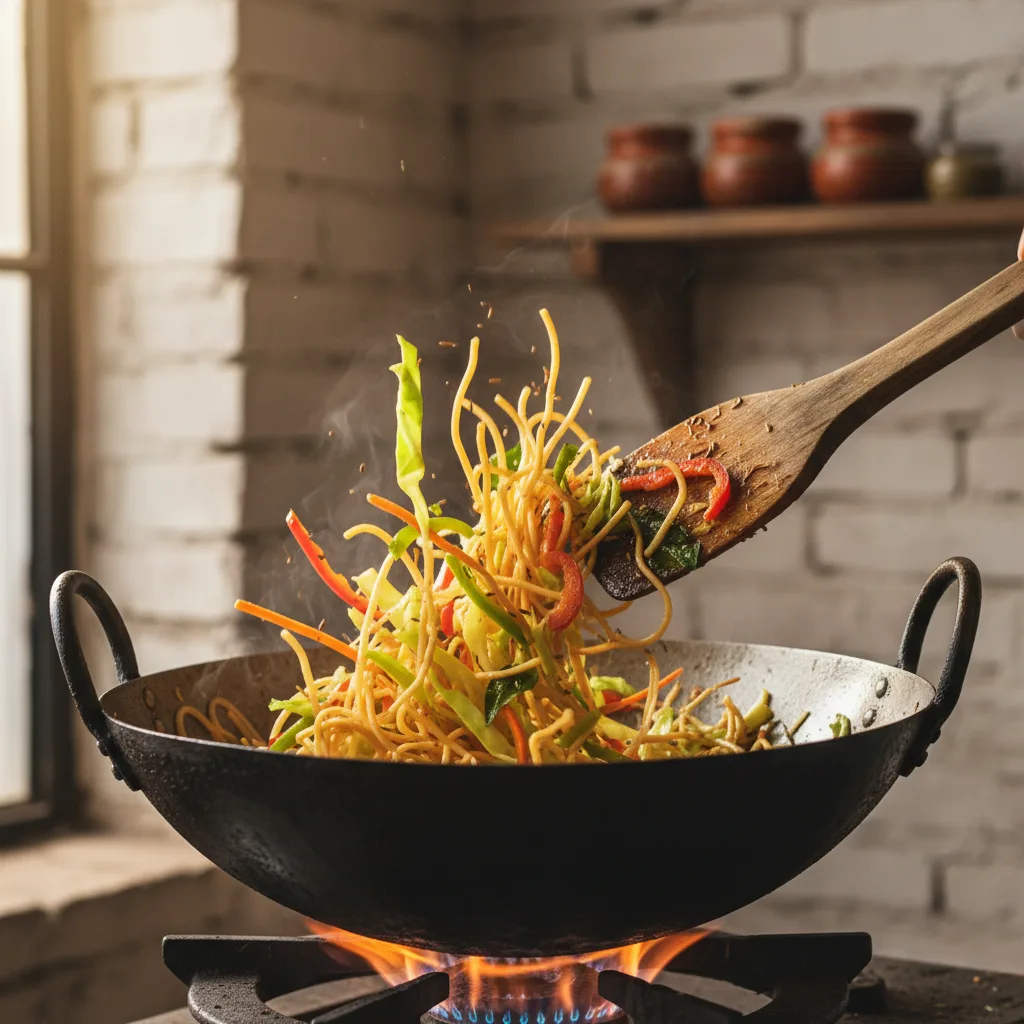
When an order comes in, the process begins immediately. The chef heats a large, well-seasoned wok over a high flame. A small amount of oil goes in, followed quickly by the prepared vegetables. We often hear from guests looking for authentic nepali food houston, and the stir-frying technique is a big part of that authenticity. The cabbage, carrots, and bell peppers are tossed rapidly, searing the edges while retaining their crunch.
If the order includes meat, such as our lamb chow chow, it is cooked alongside the vegetables, absorbing the flavors of the wok. We offer varying spice levels, from mild to what we call Kathmandu hot. Next, the cooked noodles are added to the pan. This is where the physical work really happens. The chef continuously tosses the noodles and vegetables, ensuring everything is evenly coated in our soy-based sauce and heated through. It is a demanding process, requiring constant motion to prevent the noodles from sticking or burning.
The Final Toss
In the last few seconds of cooking, the heat is turned up to its highest point to achieve that slight smokiness characteristic of wok cooking. Scallions and fresh cilantro are thrown in right at the end, their bright flavors cutting through the richness of the stir-fry. The entire mixture is given one final, vigorous toss before being plated and brought to the dining room.
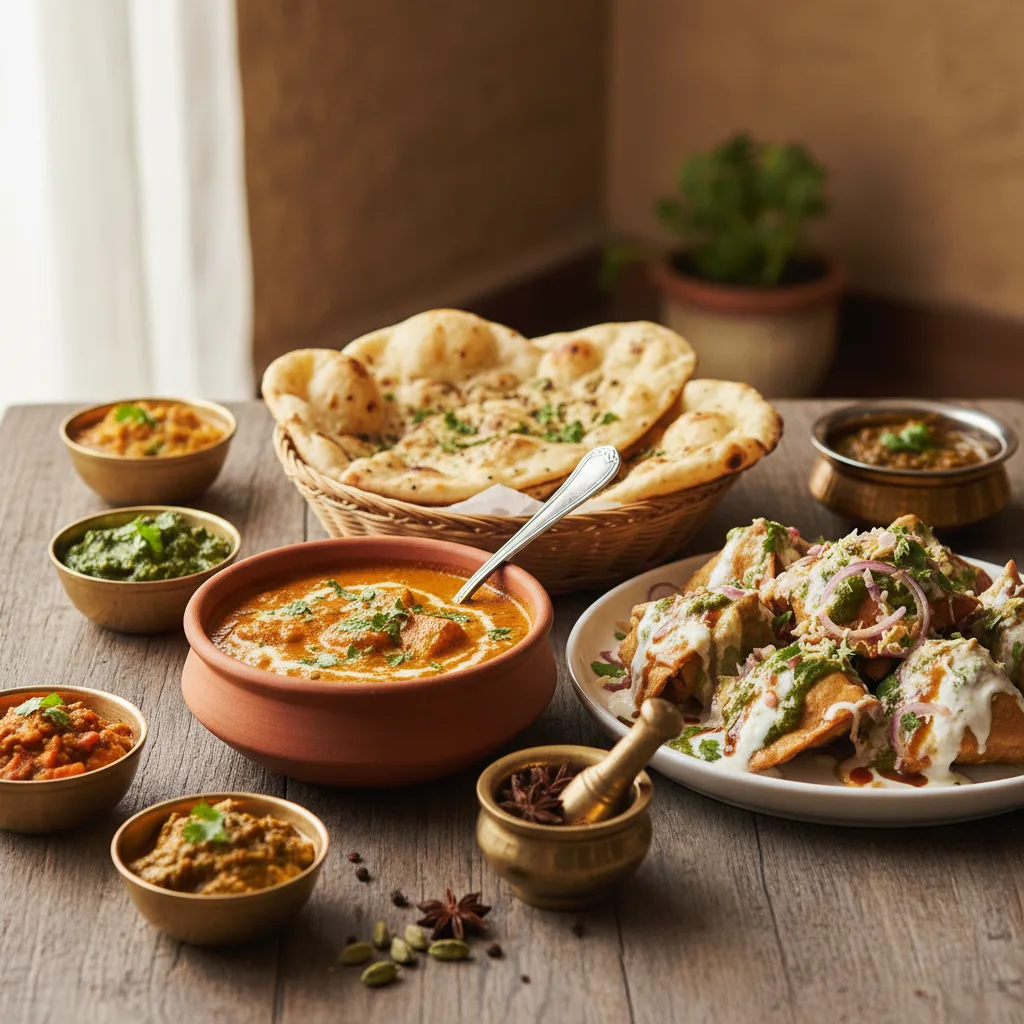
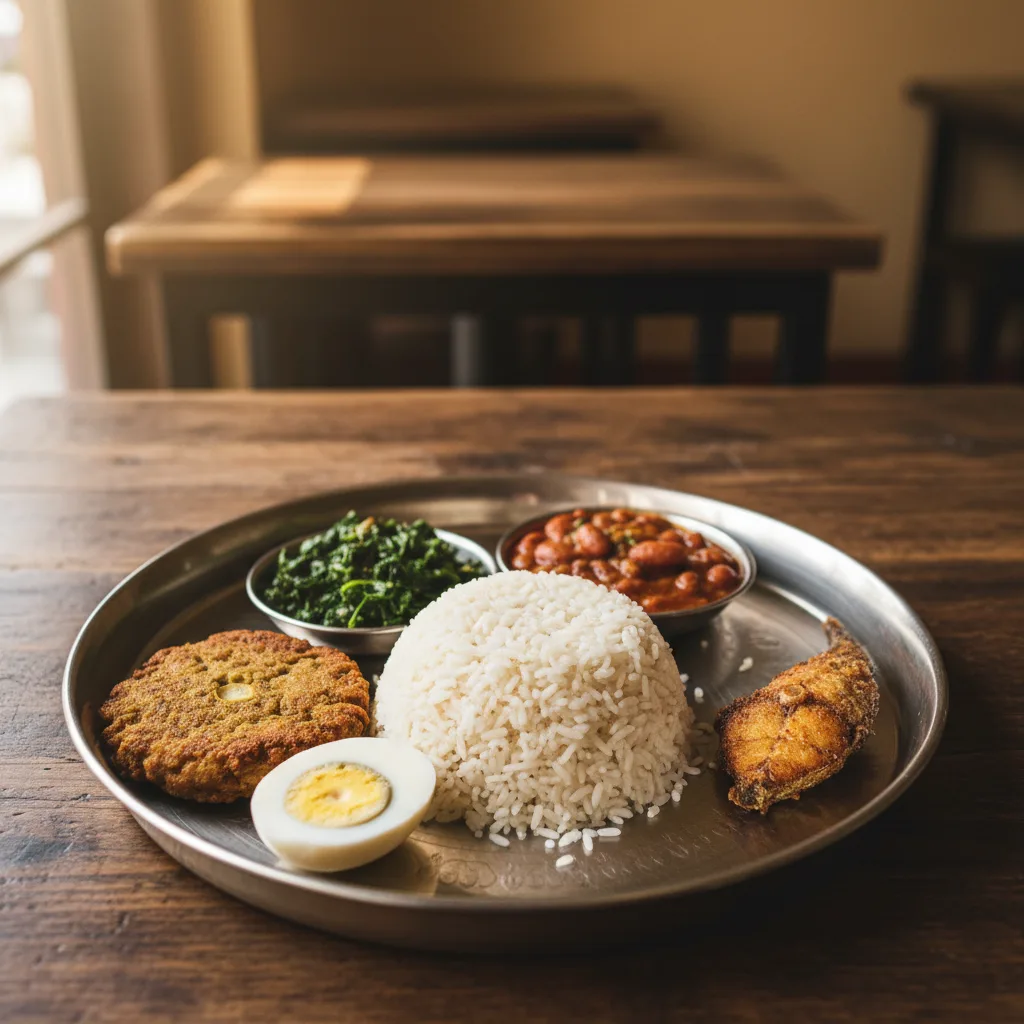
Our chowmein sits alongside many traditional dishes on our menu. Some guests pair it with our jhol momo near me or a newari khaja set houston, while others might choose it alongside a classic indian curry houston tx like paneer makhani or chicken tikka masala houston. Whether you are coming in for the best momos in houston or just a satisfying plate of noodles, we prepare each dish with the same attention to detail.
We invite you to join us at our himalayan restaurant houston to try our chowmein for yourself. If you have been searching for nepali food near me, our kitchen is ready to stir up a fresh batch just for you.